
Dear HR Agony Aunt: Why is HR always brought in at the last minute?
Published on: 28/05/2026
Article Authors The main content of this article was provided by the following authors.
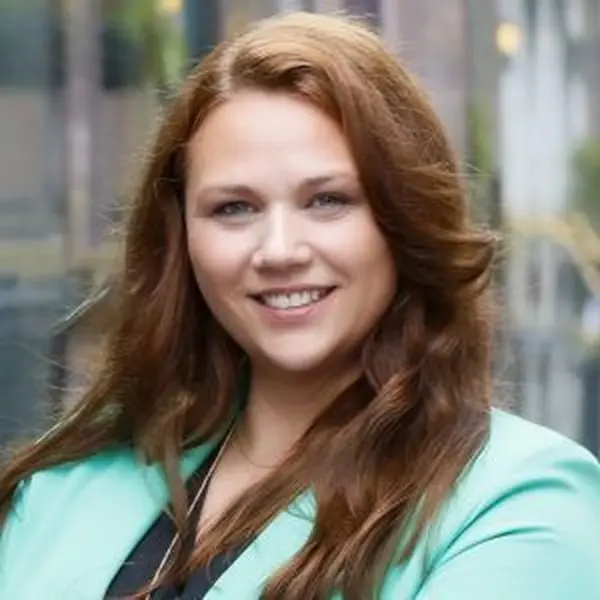
Crystel Robbin Rynne CEO, HRLocker
Crysteel HR Locker

Crystel Robbins Rynne is CEO of HRLocker, Ireland's leading HR software platform, trusted by over 100,000 users across 55 countries. With more than a decade at HRLocker, Crystel has led the company through significant growth and expansion across Ireland and the UK.

A passionate advocate for HR compliance and employee experience, Crystel is a regular speaker and commentator on employment law, data protection, and people management. She has particular expertise in helping SMEs navigate the practical realities of GDPR, data retention, and compliance.

Crystel holds a BA in Psychology & Sociology from the University of Limerick, a Master's from NUI Galway, and a Postgraduate Certificate in International Selling from TU Dublin. She sits on the Appraisals Committee for Guaranteed Irish and was shortlisted for the IMAGE PwC Businesswoman of the Year Awards 2025.

Q. "I am the most senior HR person in our business but I am consistently brought into key decisions too late to make a real difference. I can see people risks forming well in advance but by the time I am consulted, the direction is already set. How do I change this dynamic without going over anyone's head?"


Someone told me once that HR will never get a seat at the table because it is not commercial. I have thought about that a lot over the years. My answer is this. People are your biggest investment and the single thing that can move the commercial dial more than anything else. If that is not commercial, I do not know what is. The problem is not that HR does not belong at the table. The problem is that HR has not always made the case for being there in language that the table understands.

That is where you start. If you are walking into any conversation about strategy without financial numbers, you are already on the back foot. Every point you make needs to connect to cost, revenue, risk, or growth. Not engagement. Not culture. Not people experience. Those things matter, but they are not how decisions get made in a boardroom. HR people who get a seat at the table are not there because they are great at HR. They are there because they understand the business well enough to speak its language. Revenue, margin, headcount cost, productivity. If you are not fluent in those numbers, start now. Learn to translate what you know into terms that land in that room and do it before you walk in the door.

The most influential people in any organisation are often not the ones sitting at the table when decisions get made. They are the ones who shaped the thinking before the meeting even started. Find out who they are and make it your business to become one of them. Build those relationships before you need them. Informal coffees, understanding their numbers, knowing what is keeping them up at night. When you can give someone the data that supports what they are already trying to do, you become useful to them. And useful people get consulted early.

When HR is brought in too late, the business pays for it. Not in a soft, hard-to-measure way. In a very practical way. The change management piece gets missed. The implementation falls apart because nobody thought through how you actually get 200 people to do something differently in six weeks. The plan was commercially sound and operationally impossible. The business needed a change management plan. Nobody built one because HR was not in the room.

But here is the harder conversation. HR needs to stop just doing. Stop running the performance management process because it is on the calendar. Stop sending the engagement survey because you did it last year. Start asking why. Why are we doing this, what decision will it inform, what will we do differently based on the result, and what does that mean for the business? If you cannot answer those questions, do not do it. If you can, make sure the answers are framed in boardroom terms before you present them. HR is not an admin function. Stop performing it like one.

I have watched talented HR people wait years to be invited to the table. The invitation rarely comes. So, stop waiting. Set a plan for how you are going to get there. Who do you need to influence, what do you need to know, what relationships do you need to build, and what will you bring when you arrive? The seat is not going to be handed to you. Decide you want it and go and get it.

Continue reading

We help hundreds of people like you understand how the latest changes in employment law impact your business.

Already a subscriber?

Please log in to view the full article.

What you'll get:

  • Help understand the ramifications of each important case from NI, GB and Europe
  • Ensure your organisation's policies and procedures are fully compliant with NI law
  • 24/7 access to all the content in the Legal Island Vault for research case law and HR issues
  • Receive free preliminary advice on workplace issues from the employment team

Already a subscriber? Log in now or start a free trial

Disclaimer The information in this article is provided as part of Legal Island's Employment Law Hub. We regret we are not able to respond to requests for specific legal or HR queries and recommend that professional advice is obtained before relying on information supplied anywhere within this article. This article is correct at 28/05/2026